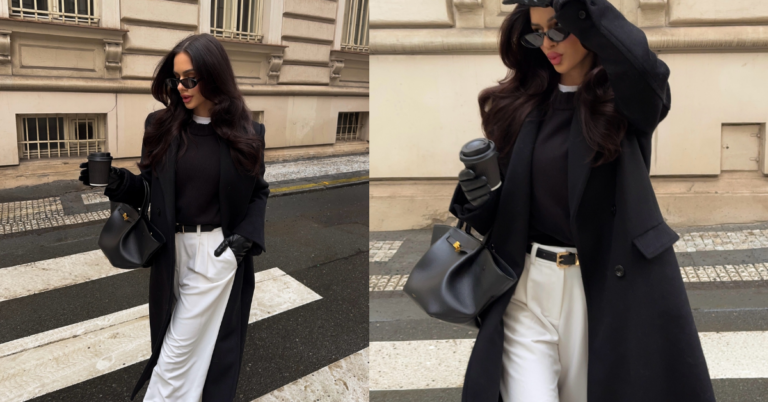

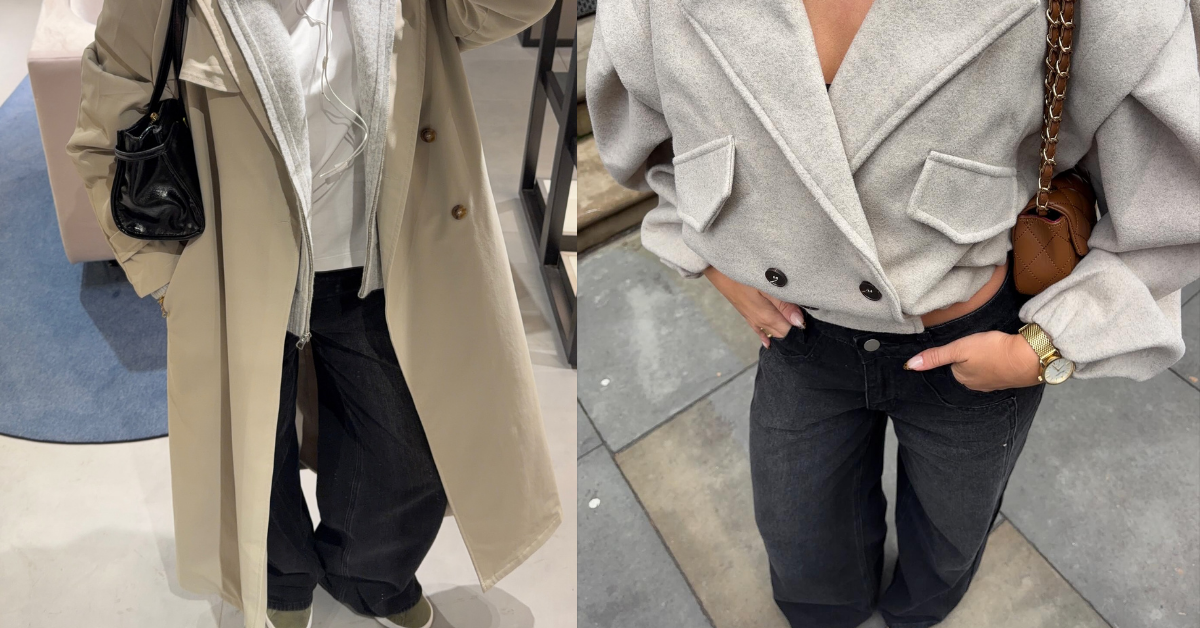
Most outfit stress comes from one problem: you are dressing for more than one “room.” You might be going from coffee to meetings to dinner, or from a casual hang to a nicer bar, or from a daytime event to something that leans more dressed up. And the annoying part is that the dress code is often vague. “Smart casual.” “Come as you are.” “Cocktail-ish.”
The goal is not to own separate wardrobes for every scenario. The goal is to build a small set of outfits that travel well, then learn a few fast swaps that shift the vibe without starting over.
I’m going to give you a simple framework (so you can decide quickly), a repeatable routine for busy mornings, and outfit formulas you can use again and again. I’ll also call out the mistakes that make “versatile outfits” fall apart in real life, like shoes you can’t actually walk in or layers that only look good for 10 minutes.
Quick answer for skimmers
- Think in a formality dial, not categories. You are usually adjusting 1–2 levels up or down.
- Start with a bridge base: clean denim or trousers + simple top + one structured layer.
- Use the third piece to look intentional (blazer, coat, cardigan, vest, scarf, or statement jewelry).
- Build a tiny swap set that changes the whole outfit: shoes, bag, earrings, lipstick.
- Keep a cohesive palette so everything mixes easily (mostly neutrals + 1–2 accent colors).
- Learn the “dress code anchors” (business casual vs smart casual vs cocktail) so you don’t over- or underdress.
- One strong guideline I stick to: stop chasing endless outfit variety for weekdays. One reliable default outfit beats ten almost-right ones.
- This won’t work if your environments are extreme opposites (example: muddy outdoor activity straight into a formal dinner). That’s a real wardrobe change.
If you only do one thing: keep a blazer or clean coat + better shoes in your car or bag plan. That “top layer + shoe” combo can rescue almost any base outfit.
The decision framework: the “formality dial”
Instead of asking “Is this outfit right for dinner?” ask: What level is this setting on the dial?
Here’s a practical dial you can use:
- Casual: denim, tees, sneakers, minimal structure
- Smart casual: still comfortable, but cleaner lines, nicer shoes, more intention
- Business casual: professional, polished, fewer trendy elements
- Cocktail / semi-formal: elevated fabrics, dressier shoes, statement accessory
Your job is usually to move one notch up or down. That means you don’t need a new outfit, you need an adjuster.
The two types of pieces you need
1) Bridge bases (work in multiple settings)
- straight or dark denim with a clean hem
- tailored trousers
- a midi skirt that isn’t overly fussy
- a simple knit, fitted tee, or sleek tank
- a slip skirt or slip dress you can layer
2) Adjusters (change the message fast)
- blazer, structured coat, leather jacket, cardigan
- shoes (sneakers vs loafers vs boots vs heels)
- bag (tote vs structured crossbody/clutch)
- jewelry and beauty (small studs vs statement earrings, natural lip vs bold lip)
This is why capsule-wardrobe thinking works so well for real life: fewer pieces, more combinations, and clear “heroes” you build around.
Dress codes translated into outfit choices
Dress codes feel confusing because they’re more about tone than exact items. Here’s the easiest translation:
Smart casual
- clean denim or trousers
- elevated top (nice knit, crisp tee, button-down)
- intentional shoe (loafers, sleek sneaker, ankle boot)
- one “third piece” to finish it
Business casual
- trousers or structured denim
- blouse, knit, or button-down
- closed-toe shoes often safest
- less skin, fewer distressed details
Emily Post’s guidance shows how business casual sits in that professional middle zone (not full suiting, but still polished).
Cocktail / semi-formal
- dress, slip skirt, or tailored set
- richer fabrics (satin, crepe, wool blend)
- dressier shoe + smaller bag
- one strong statement (earrings, bold lip, standout heel)
A lot of modern dress-code guides emphasize that these categories exist on a spectrum and that tone, comfort, and formality cues matter.
Step 1: Build your “anywhere base” outfit
Your anywhere base is what you can wear to:
- a casual lunch
- a last-minute meeting
- a friend’s birthday drink
Here are three reliable base templates:
Base A: Clean denim + elevated top
- dark straight jeans + knit top + belt
This is your “I tried, but not too hard” base.
Base B: Tailored trouser + simple top
- trousers + fitted tee or tank + cardigan or blazer
It leans polished by default, so it’s easy to dress down with sneakers.
Base C: Midi skirt + simple knit
- midi skirt + fitted knit + ankle boot or loafer
It reads more intentional without being formal.
Palette tip: neutrals do most of the heavy lifting because they mix and match quickly. If you like color, make it an accent, not the whole wardrobe.
Step 2: Add the third piece (the fastest upgrade)
The “third piece rule” is simple: top + bottom is functional, but adding a third element makes it look styled.
Third pieces that travel well across settings:
- blazer (instant polish)
- structured cardigan (soft polish)
- leather jacket (adds edge, still intentional)
- long coat or trench (makes anything look planned)
This is optional. Skip it if you live in a climate where layering is miserable or you’re always indoors and overheated. In that case, your “third piece” can be jewelry or a belt instead.
Step 3: Keep a swap set (your outfit’s emergency steering wheel)
If you only have time for one concept, make it this: swap sets change context faster than full outfits.
My favorite 4-piece swap set
- Shoes: clean sneaker + loafer/boot + one dressier option
- Bag: everyday tote + structured small bag
- Jewelry: small hoops + one statement earring
- Beauty: a lipstick or tinted balm that shifts the vibe
A day-to-night capsule article sums up the idea well: blazers and layering pieces help an outfit move between meetings, dinner, and social plans.
The 5 most common mistakes (and the fixes)
1) You try to make one outfit satisfy everyone
You can’t. You’re aiming for “appropriate,” not “universally perfect.”
Fix: pick the most important setting, then adjust for the others with one swap.
2) The shoes don’t match your actual life
This is where outfits fail in the real world.
Fix: choose shoes based on walking, standing, weather, then style.
3) Too many “loud” signals at once
Heavy accessories, bold print, statement shoes, dramatic makeup, all together.
Fix: one statement per outfit. Everything else supports.
4) Your pieces don’t mix because the palette is chaotic
It makes “versatile outfits” impossible.
Fix: keep most items in a tight neutral range and add 1–2 accent colors you repeat.
5) You rely on “occasion outfits” instead of bridge pieces
If you only own “wedding guest dress” or “office blazer” that never works elsewhere, you’ll keep starting from scratch.
Fix: prioritize bridge pieces that show up often in capsule lists: blazer, great jeans, white shirt, versatile dress.
Outfit formulas that flex across settings
Use these like templates.
Formula 1: Jeans + knit + blazer
- Casual: sneakers, tote
- Smart casual: loafers, small bag
- Dinner: heeled boot, statement earrings
Formula 2: Trousers + tee + leather jacket
- Casual: sneakers, minimal jewelry
- Smart casual: ankle boots, structured bag
- Night: swap tee for a sleek tank, add bold lip
Formula 3: Slip skirt + fitted top + cardigan or blazer
- Day: flats or sneakers, tote
- Dinner: heeled boot or heel, smaller bag
This is one of the easiest “works in multiple rooms” silhouettes.
Formula 4: Midi dress + structured layer
- Casual: denim jacket, sneakers
- Business casual: blazer, loafers
- Cocktail: remove jacket, add statement jewelry and dressier shoes
Formula 5: Matching set (knit or tailored) + one edge detail
- Day: sneaker
- Night: heeled boot + earrings
Matching sets do a lot of “polished” work for you without extra effort.
A simple morning routine for multi-setting days
If you already have a uniform you love, you can skip this and go straight to the variations below.
- Pick your base (jeans, trousers, skirt, or dress).
- Add a third piece (blazer, coat, cardigan) or decide your accessory third piece.
- Choose shoes for your most demanding part of the day (commute, standing, weather).
- Pack your swap set item: small bag, earrings, lipstick.
- Quick mirror check: do you look intentional? If not, add structure (belt, blazer, neater bag).
Variations by real social settings
Work to dinner
- Base: trousers + knit
- Work: blazer + loafers
- Dinner: remove blazer or swap to leather jacket, add earrings, switch bag smaller
This is where a blazer earns its keep.
Casual hang to nicer bar
- Base: clean jeans + fitted top
- Casual: sneaker + tote
- Bar: ankle boot + small structured bag + one statement accessory
Family event with photos
- Base: midi skirt + knit
- Add: structured layer, simple jewelry
This keeps you looking put-together without looking overdressed.
“No dress code” party
This is the hardest because tone matters more than rules.
- Choose one “signal” of intention: better shoes, structured bag, or a third piece.
- Avoid extremes: not gym casual, not black-tie dramatic.
Trade-off with no clean solution: if your friend group has wildly different style norms, you will occasionally feel a little over- or underdressed no matter what. The best you can do is aim for “confident and comfortable,” then stop spiraling.
FAQ
How do I avoid looking overdressed?
Keep one element casual: denim, a simple tee, or a sneaker. Most overdressing fear is solved by balancing one polished piece with one relaxed piece.
How do I avoid looking underdressed?
Add structure and finish: blazer, belt, better shoes, smaller bag. The third piece rule is basically a cheat code here.
What’s the easiest “bridge shoe”?
A loafer or sleek ankle boot usually travels well between casual and smart casual. If you live in sneakers, choose a clean minimal pair and rely on your third piece for polish.
What pieces give the most versatility per dollar?
A blazer, a pair of straight dark jeans, and one neutral coat show up again and again in capsule wardrobe guidance because they anchor outfits across settings.
How do I handle dress codes I don’t understand?
Use a reputable dress-code guide to translate the label into concrete items, then aim one notch more polished than you think if it’s an important event.
Can I do this without buying anything new?
Yes. The “new” part is usually the system: pick a base template, define your swap set, and keep your palette tighter so mixing is easy.
What if my day includes a truly formal event?
Then you need a real change. Bridge outfits help when the dial moves 1–2 notches, not when it jumps from sneakers to black tie.
Just a little note - some of the links on here may be affiliate links, which means I might earn a small commission if you decide to shop through them (at no extra cost to you!). I only post content which I'm truly enthusiastic about and would suggest to others.
And as you know, I seriously love seeing your takes on the looks and ideas on here - that means the world to me! If you recreate something, please share it here in the comments or feel free to send me a pic. I'm always excited to meet y'all! ✨🤍
Xoxo Giulia