
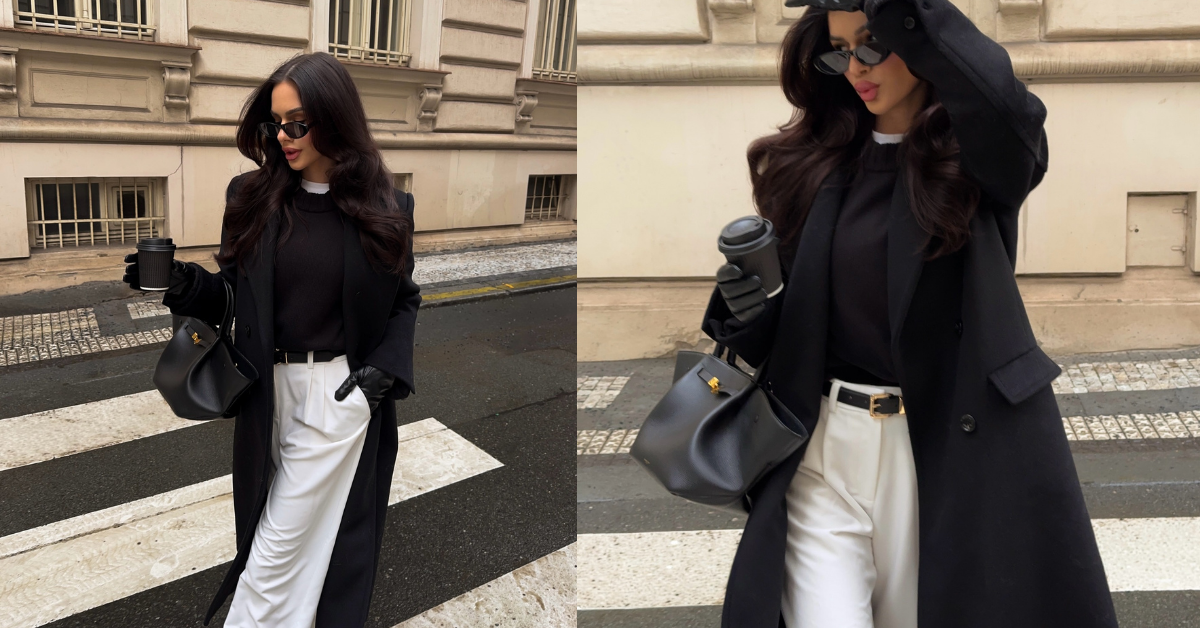
There’s a very specific vibe you’re describing: you want to move through the world quietly, but you still want people to take you seriously. Not “look rich.” Not “look fashionable.” Just… respected.
The mistake most people make is thinking respect comes from louder signals: sharper trends, higher heels, bolder colors, more accessories. That often attracts attention, which is the opposite of what you want.
Respect is usually triggered by a different set of cues: clarity, consistency, and competence. Clothing plays into that because people form impressions fast, and small changes in attire can shift how someone is perceived.
Also, there’s a second layer that matters: what you wear can change how you feel and perform (attention, focus, confidence). That effect is sometimes called “enclothed cognition” in research by Hajo Adam and Adam D. Galinsky.
So the goal here is not to become “more stylish.” It’s to build a quiet, repeatable look that says: I’m competent, I’m intentional, and I’m not asking for permission.
One honest limitation: this won’t work if the environment is biased against you (race, gender expression, size, disability, age). Clothing can help, but it cannot fix unfair people. What it can do is give you more control over the signal you send before you say a word.
Quick answer for skimmers
- Aim for quiet clarity: clean lines, tidy grooming, no loud logos, no fussy details.
- Use the one-structure rule: every outfit gets one structured element (blazer, belt, crisp shoe, sharp collar, tailored pant).
- Keep colors low-noise: black, navy, charcoal, gray, cream, olive, chocolate. Monochrome reads calm and capable.
- Choose one “authority texture”: leather, denim, wool, crisp cotton, or a smooth knit.
- Fit matters more than price. Shoulders, waistline, and hems are the respect zones.
- Repeat a simple “uniform.” Consistency often reads like confidence.
- If you feel “too seen,” remove one attention magnet: shiny jewelry, loud print, high contrast, or dramatic silhouette.
- You can be casual and still be respected, but you need finish (clean shoes, lint-free top, neat hair).
If you only do one thing: pick a 3-piece formula you can repeat (top + bottom + layer) and make sure one piece is structured. Consistency does more for respect than “new outfits.”
The decision framework: respect without attention
Think in three signals. Every outfit should hit at least two.
Signal 1: Structure
Structure reads like authority because it suggests intention.
- A blazer, chore jacket, sharp cardigan, or overshirt
- A belt that creates a waistline
- A crisp collar or a clean neckline
- Pants that hold their shape (not collapsing, not clingy)
Signal 2: Finish
Finish is what separates “basic” from “together.”
- Clean shoes, clean bag, clean hems
- Lint-free, wrinkle-controlled, no pilling
- Grooming that looks deliberate (even if it’s minimal)
Workwear guidance often frames this as modern professionalism: you can dress down, but the outfit still needs to look intentional.
Signal 3: Restraint
Restraint is the anti-attention move.
- Minimal prints
- Minimal shine
- Minimal skin exposure (not because it’s “wrong,” but because it draws eyes)
- Minimal accessories (or consistent ones)
One strong opinion I’ll stand by: if you want respect with low attention, stop chasing variety. A small set of repeatable outfits reads calm and self-possessed.
Common mistakes that accidentally invite attention
- Too much contrast (black and white patterns, loud color blocking)
Fix: stay within one color family, or keep contrast below the waist. - Trendy statement pieces
Fix: choose “classic shapes” and let fabric and fit do the work. - Overly delicate details (ruffles, tiny straps, lots of jewelry movement)
Fix: swap to cleaner lines or one simple accessory. - Comfort that collapses (thin tees, saggy knits, stretched collars)
Fix: keep comfort, but choose items that hold shape: heavier knit, better collar, straighter pant. - Trying to look invisible by going sloppy
Trade-off with no perfect solution: you can reduce attention by dressing down, but you may also lose respect in some rooms. You have to choose which cost you can live with on that day.
Step 1: Build your “quiet respect uniform”
Pick one of these templates and repeat it with tiny variations.
Uniform A: The calm professional (works almost anywhere)
- Knit top or crisp tee
- Straight leg trousers or dark jeans
- Structured layer (blazer, overshirt, cardigan that holds shape)
- Clean low-profile shoes
Uniform B: The creative competent
- Simple top in a dark neutral
- Wide-leg or tailored pant
- One interesting texture (denim, leather belt, wool, crisp cotton)
- Minimal jewelry, consistent metal
Uniform C: The low-effort authority
- Monochrome base (all navy, all charcoal, all black)
- One structured piece (jacket, belt, sharp shoe)
- One “finish” choice (neat hair, clean bag, crisp collar)
Why uniforms work: people tend to read consistency as confidence and competence. Dress is a major component of person perception and status inference.
Step 2: Use the “one-structure” rule
This is the simplest rule that changes everything without changing your closet:
Every outfit gets one structured element.
Examples (using normal basics):
- Tee + jeans + blazer
- Knit + trousers + belt
- Button-down + jeans + structured shoes
- T-shirt dress + structured bag
- Sweater + skirt + tailored jacket
If you do this consistently, you’ll notice something: you’re still casual, but you look like you meant it.
This is optional. Skip it if your style is intentionally soft and you genuinely dislike structure. Just know the trade-off: you may get warmth and approachability, but less automatic authority in first impressions.
Step 3: Reduce “attention magnets” without getting boring
Attention magnets are not bad. They just conflict with your goal.
Here are the big ones:
- Loud logos and text
- High shine (sequins, glossy satin, lots of jewelry)
- Dramatic silhouettes (very oversized, very tight, very short)
- High-contrast patterns (especially near the face)
- Noisy accessories (clinking bracelets, big earrings)
Quiet alternatives:
- Texture instead of print (ribbed knit, denim, wool)
- Tonal color (navy on navy, charcoal on black)
- One subtle accessory that repeats (same watch every day, same small hoops)
This is where “respect” lives: people register you as intentional without being pulled into “look at me.”
Step 4: Fix the three respect zones (fast)
If your closet is basic, you don’t need new items. You need to tighten these three zones:
1) Shoulders
- If your shoulder seam is falling halfway down your arm, you’ll read less sharp.
- A jacket that fits the shoulders instantly increases authority.
2) Waistline (or midline)
- A belt, a tuck, or a slightly cropped top creates shape.
- Shape reads intentional. Intentional reads competent.
3) Hem and shoe line
- The hem and shoe are the “final punctuation.”
- Clean shoes + a hem that hits on purpose = quiet power.
If you only tailor one thing in your life, I’d pick pant hems. Not glamorous, but it changes how everything looks.
Step 5: The “respect finish” checklist (2 minutes)
Do this before you leave the house:
- Lint roll (especially dark colors)
- Check collar and neckline (not stretched, not wrinkled)
- Shoes clean enough to look cared for
- One structured element present (layer, belt, collar, shoe)
- Hair looks deliberate (even if it’s simple)
There’s research showing attire contributes to impressions and evaluations in professional contexts. Finish is the easiest part to control.
What to do on days you want to disappear more than usual
Sometimes you want even less attention (travel days, anxiety days, sensory overload days). You can still keep respect.
Use this “quiet armor” formula:
- Dark monochrome base (charcoal, navy, black)
- One structured layer (overshirt, blazer, jacket)
- Minimal jewelry
- Clean simple shoes
And here’s the human part: if your mornings are unpredictable, some of this prep simply won’t stick and that’s fine. The goal isn’t perfection, it’s fewer awkward “I feel exposed” days.
Variations by situation
If you work in a corporate setting
- Keep silhouettes classic, keep colors calm
- Use one structure piece daily
- Avoid loud sneakers unless the office culture supports it
Guidance on modern work clothes emphasizes intentionality even with relaxed dress norms.
If you’re in a creative field
- Keep the base minimal, add one interesting texture or shape
- “Quiet weird” works: unusual fabric, not loud print
If you want respect without looking formal
- Dark jeans + knit + structured layer + clean sneaker/boot
- This is the sweet spot for most people: calm, capable, not dressed up
If you prefer more feminine silhouettes
- A simple dress + structured jacket + minimal jewelry
- Or a skirt + knit + belt + clean shoe
You can be feminine and still read authoritative. The signal comes from structure and finish, not how “girly” the piece is.
If you prefer more masculine silhouettes
- Straight trousers + tee + overshirt/blazer + clean shoe
- Focus on fit at shoulders and hems
FAQ
Can I get respect while dressing very casually?
Yes, but casual needs finish: clean shoes, tidy grooming, and at least one structured element.
Do I need to wear dark colors?
No, but low-contrast color palettes tend to draw less attention. If you love lighter tones, try tonal looks (cream + beige + tan) instead of high contrast.
Why does structure matter so much?
Structure signals intention, and intention is a shortcut people use when forming impressions from dress.
What if I hate blazers?
Skip the blazer. Use a structured cardigan, denim jacket, overshirt, or a coat with clean lines. The rule is structure, not “office clothes.”
Will this work if my clothes are inexpensive?
Often yes. Fit and finish beat price. A cheap top that’s lint-free and fits well reads better than an expensive one that’s sloppy.
How do I stop getting told I look “intimidating”?
Add one warmth cue while keeping respect cues:
- softer color near the face
- slightly softer fabric (knit instead of crisp)
- a small smile and open posture
Dress influences perception, but it interacts with expression and context too.
Does clothing really change how I feel?
Sometimes. Research on enclothed cognition suggests what you wear can influence psychological processes like attention, especially when the clothing has a strong symbolic meaning.
Just a little note - some of the links on here may be affiliate links, which means I might earn a small commission if you decide to shop through them (at no extra cost to you!). I only post content which I'm truly enthusiastic about and would suggest to others.
And as you know, I seriously love seeing your takes on the looks and ideas on here - that means the world to me! If you recreate something, please share it here in the comments or feel free to send me a pic. I'm always excited to meet y'all! ✨🤍
Xoxo Giulia


