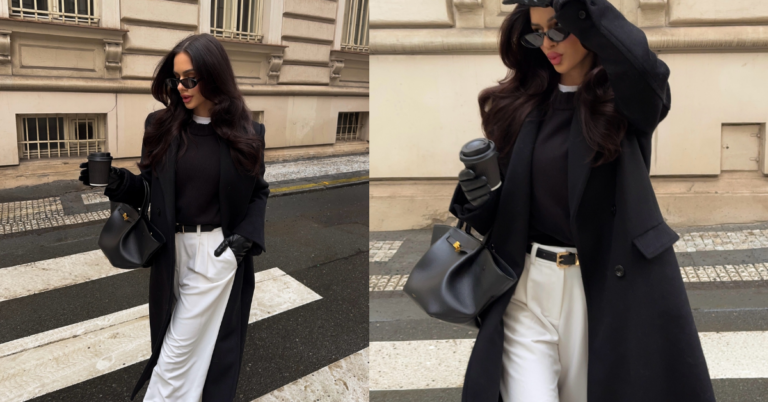

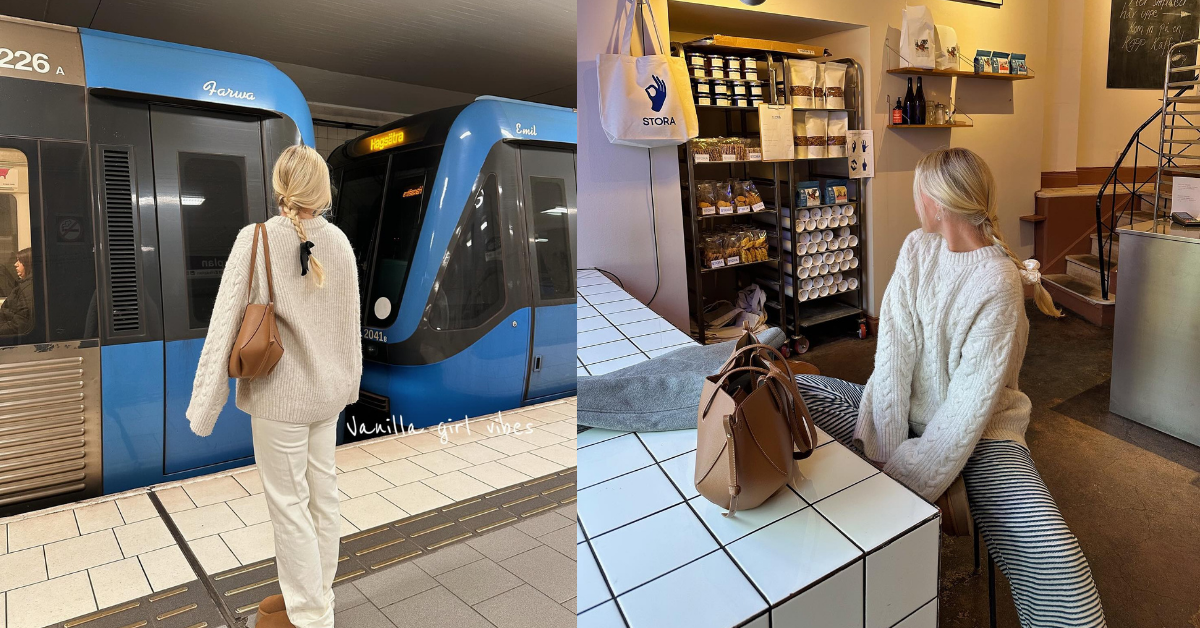
Wanting to blend in does not mean you want to look invisible. It usually means you want to avoid being read as “trying,” avoid standing out for the wrong reasons, or just feel calm and appropriate wherever you are. You want to look good in a way that does not ask for attention.
The trick is understanding what actually makes people stand out in real life. It is rarely “nice clothes.” It is usually one of these: loud logos, sharp contrasts, trendy silhouettes that are uncommon in that setting, clothes that do not fit the way they are meant to, or an outfit that is too formal (or too casual) for the room.
So the goal is not “boring.” The goal is low-signal style: familiar shapes, familiar colors, and familiar footwear for that environment, but with better fit, cleaner lines, and a little care in the details.
One trade-off up front: blending in means you will probably get fewer “cool outfit” compliments. There is no fix for that. That is the point.
Quick answer for skimmers
- Dress one “step” nicer than the baseline of the place you are going, not five steps nicer.
- Use a 2–3 color palette and keep contrast low (no hard black-white combos unless that’s the local uniform).
- Choose simple silhouettes that match the setting: straight pants, clean jeans, basic knits, simple outerwear.
- Avoid loud branding, busy graphics, and novelty details (they read as “signal”).
- Make it look good through fit + condition: hem length, crisp collars, lint-free darks, clean shoes.
- Pick one “quality cue” and keep everything else quiet: good leather belt, nice watch, structured jacket, better shoes.
- Repeat a personal uniform. Consistency is what makes “blending in” look intentional.
If you only do one thing: wear normal-looking clothes, but make sure they fit and are clean. That is 80 percent of it.
What “blend in” really means
Blending in is not about copying everyone exactly. It is about staying within the “expected range” for:
- Formality (how dressed up people are)
- Silhouette (how fitted or relaxed things are)
- Color volume (how bright, contrasted, or patterned things are)
- Footwear vibe (sneakers vs boots vs dress shoes)
When you look “off,” it is usually because you missed one of these, not because your outfit was objectively bad.
This won’t work if… you are going somewhere where standing out is the whole social currency (certain creative events, nightlife scenes, fashion-forward circles). You can still use the principles, but you will blend in less by definition.
The “Blend In but Look Good” framework
Step 1: Identify the local baseline in 30 seconds
Ask: what are most people wearing, visually?
- Top: tee, button-down, knit, hoodie?
- Bottom: jeans, trousers, cargos, leggings?
- Shoes: running sneakers, clean lifestyle sneakers, boots, loafers?
- Outerwear: puffer, bomber, trench, blazer?
Then aim to sit slightly cleaner than that baseline, not different from it.
Step 2: Choose one of three safe style lanes
Pick the lane that matches your life and setting.
Lane A: Clean casual (most versatile)
Straight jeans or chinos, tee or knit, simple jacket, clean sneakers.
Lane B: Smart casual (quietly polished)
Trousers or dark jeans, button-down or fine knit, simple coat, leather shoes or clean minimal sneakers.
Lane C: Sporty casual (blend in on the go)
Athletic-ish pants, simple sweatshirt/hoodie, practical jacket, everyday trainers that look neat.
The mistake is mixing lanes in a high-contrast way (like gym joggers with a formal overcoat). Sometimes it works. If your goal is blending in, it is a risky move.
Step 3: Use “quiet upgrades,” not loud ones
The best blending-in outfits have one or two subtle quality signals:
- better fabric (thicker tee, nicer knit)
- cleaner fit (hemmed pants)
- better finish (structured jacket, solid shoes)
- neat grooming
No logos needed.
Step 4: Control contrast
This is the biggest “why do I feel too noticeable?” lever.
- Keep your outfit within 2–3 colors.
- Keep contrast medium-to-low (navy + grey + white reads calmer than black + white + neon).
- If you wear black, soften it with charcoal, grey, or a slightly off-white.
The Fit, Fabric, Finish approach for blending in
Fit: look “normal,” but correct
When you want to blend in, extreme fits are the enemy (ultra skinny, ultra oversized, extreme stacking, extreme crop). You want “recognizable” shapes.
Quick fit checks:
- Shoulder seams land close to your shoulder point (even on relaxed tees).
- Pants break once at the shoe or sit clean at the ankle.
- Sleeves do not swallow your hands unless that is truly the local look.
Here’s one opinionated rule I stand by: If you want to blend in, stop chasing statement silhouettes. Nail one simple silhouette that matches your environment and repeat it. It makes getting dressed easier and you look more confident, not less.
Fabric: avoid fabrics that betray you
When you blend in, people notice the basics: how your clothes hang, wrinkle, shine, and cling.
If you want “quiet good”:
- Choose fabrics that hold their shape a bit (not paper-thin).
- Avoid overly shiny synthetics if the setting is matte and casual.
- Watch for cling and sheerness in bright light.
Finish: condition is your secret weapon
Blending in only works when you look put-together up close:
- lint on dark knits
- stretched collars
- pilling
- scuffed, grimy midsoles
- twisted seams
This stuff turns “basic” into “tired.” The good news: it is fixable without buying new clothes.
The 10-minute “look good quietly” routine
This is optional. Skip it if your life is chaotic and you cannot be bothered. You can still look fine.
- Pick tomorrow’s outfit tonight (reduces “random” choices).
- Lint roll dark items (especially shoulders, chest, thighs).
- Shoes: wipe the midsoles and toe area.
- One quick steam/iron point: collar or front of your top.
- Choose one anchor item: a jacket, a watch, a belt, or a bag.
That is enough to look intentional without looking styled.
Outfit formulas that blend in almost anywhere
1) The “quiet uniform”
- navy or grey tee (or fine knit)
- straight dark jeans or chinos
- simple jacket (denim, bomber, overshirt)
- clean sneakers
Why it blends: looks familiar, reads neat.
2) The “no-drama smart casual”
- button-down or thin sweater
- dark jeans or trousers
- simple coat or blazer-like jacket
- leather sneakers or simple loafers/boots
Why it blends: looks appropriate in offices, dinners, casual meetings without screaming “business.”
3) The “modern basic”
- hoodie or sweatshirt with structure
- straight jeans or clean cargos
- neutral jacket
- clean everyday sneakers
Why it blends: sporty but not sloppy.
4) The “travel blend-in”
- comfortable pants that look like normal pants (not gym pants)
- tee + overshirt or light sweater
- practical jacket
- shoes you can walk in that still look neat
Why it blends: functional, calm, not loud.
How to blend in by environment
Office where people dress casually
Aim: “clean casual, slightly sharper.”
- dark jeans/chinos
- plain knit or polo or shirt
- simple sneakers (clean) or boots
Avoid: loud streetwear graphics, heavily distressed denim, gym shoes.
City day-to-day
Aim: “neutral, layered, weather-appropriate.”
- neutral outerwear
- jeans/trousers
- shoes that match what you see on the street
In cities, the biggest giveaway is often shoes that do not match the local vibe (too sporty, too formal, too new, too loud).
School or campus
Aim: “comfortable and normal, but tidy.”
- straight jeans, cargos, or relaxed trousers
- tee/hoodie + jacket
- everyday sneakers
Quality cue: cleaner fit and better condition, not “dressy.”
Creative industry, casual events
Aim: “simple base + one interesting detail.”
- minimal outfit
- one texture or shape that feels like you (a coat, a knit, a boot)
If you add more than one “interesting” thing, you stop blending in fast.
Family gatherings where you do not want commentary
Aim: “safe familiar.”
- plain top
- normal pants
- clean shoes
- one layer
This is where blending in is often more emotional than aesthetic. Keep it calm.
What to avoid if your goal is blending in
- Big logos and big graphics (they read as a message).
- High-contrast color blocking (especially with bright accents).
- Ultra-trendy silhouette shifts (people clock them immediately).
- Overly formal items in casual contexts (dress shoes and a sharp blazer can stand out more than you expect).
- Too many accessories at once.
A simple way to check: if a stranger could describe your outfit in one sentence without mentioning brands, you are probably blending in.
“Still look good” upgrades that stay low-signal
Pick one or two, not all of them.
- Hem your pants or cuff them neatly.
- Upgrade your tee (thicker fabric, better collar).
- Swap to cleaner shoes (or refresh your current pair).
- Wear a structured layer (overshirt, chore jacket, clean coat).
- Add one simple accessory (watch, belt, small bag).
Small upgrades look “effortless” because they are not loud. They are just correct.
Common mistakes (and what to do instead)
1) You match the vibe, but look sloppy
Fix: do the condition checks (lint, pilling, shoes, wrinkles). You do not need better clothes, you need cleaner ones.
2) You try to blend in by wearing “nothing”
Fix: wear basics, but choose ones with a clean silhouette. Blending in is not hiding. It is being appropriate.
3) You copy someone else’s uniform exactly and feel weird
Fix: keep the lane, adjust the details. Same lane, different fabrics or slightly different fit.
4) You overcorrect and end up underdressed
Fix: add a layer. Outerwear is the easiest way to look more put together without feeling formal.
FAQ
How do I blend in without looking boring?
Use one subtle quality cue: a nicer jacket, better shoes, or a good knit. Keep everything else quiet.
Can I still wear streetwear and blend in?
Yes, but keep it low-signal: minimal logos, calmer colors, and avoid extreme silhouettes unless your environment already has them.
What colors are safest for blending in?
Neutrals: navy, grey, olive, cream, black (with maintenance). Build around two neutrals and one accent at most.
How do I blend in when I’m traveling?
Dress like you are doing normal life, not like you are doing a “travel outfit.” Practical layers, normal-looking pants, and shoes that are clean.
What is the easiest way to look better without standing out?
Clean shoes + a clean pant hem line. Those two details change your whole outline.
What if I want to blend in but still show personality?
Put personality in texture or one small accessory, not in loud graphics. Think “quiet detail,” not “announcement.”
A simple “blend in” checklist you can screenshot
- Same formality level as the room (or one step cleaner)
- Familiar silhouette for that setting
- 2–3 color palette, low-to-medium contrast
- No loud branding
- Pants length looks intentional
- Shoes are clean enough to not distract
- One subtle quality cue
Just a little note - some of the links on here may be affiliate links, which means I might earn a small commission if you decide to shop through them (at no extra cost to you!). I only post content which I'm truly enthusiastic about and would suggest to others.
And as you know, I seriously love seeing your takes on the looks and ideas on here - that means the world to me! If you recreate something, please share it here in the comments or feel free to send me a pic. I'm always excited to meet y'all! ✨🤍
Xoxo Giulia