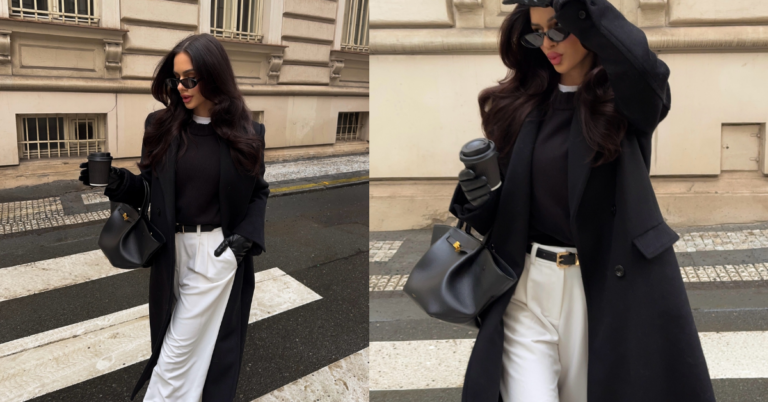

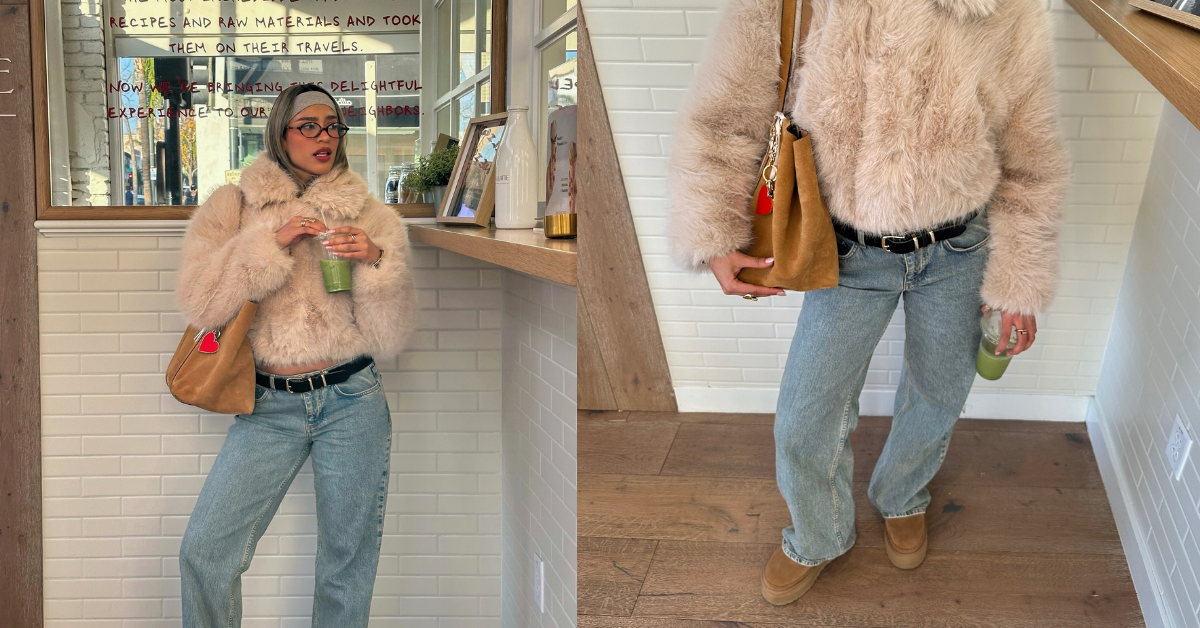
Most outfit advice starts with a “hero piece” like a jacket, a dress, or jeans. But in real life, a lot of days start with shoes.
You need shoes that can handle rain. Or you know you’ll be walking 12,000 steps. Or you have a dinner where heels feel right. Or you just want to wear the sneakers you love and you do not want the rest of you to look like you got dressed in the dark.
Starting with shoes is not a lazy shortcut. It is actually a smart constraint. Shoes sit at the bottom of your silhouette, they set your comfort level, and they quietly decide how “formal” the whole outfit reads before you even pick a top.
This guide gives you a repeatable method: how to read what your shoes are saying, how to match them with the right pant shape and hem, and how to build a clean color story so the outfit looks intentional, not random. You can use it for sneakers, boots, loafers, heels, sandals, whatever.
Quick answer for skimmers
- Decide what the shoes are doing today: comfort, polish, edge, or weather.
- Identify the shoe’s “formality level” and build the rest of the outfit to match or intentionally contrast it.
- Match your pant shape and hem to the shoe. This is where most shoe-first outfits fail.
- Use one of three color strategies: match, echo, or neutralize.
- Choose one “anchor” piece (coat, blazer, great denim, tailored trouser) so the outfit does not feel like “just shoes plus clothes.”
- Keep accessories quiet if your shoes are loud, and vice versa.
- If the shoes feel “young” or “trendy,” add structure near your face (collar, jacket lapel, crisp knit).
- Do a 10-second mirror check: hem, proportions, and whether your shoes look like they belong.
If you only do one thing: pick shoes, then pick pants next. Shoes plus the wrong pants is where outfits go to die.
The shoe-first decision framework
If you want to look polished
Start with: loafers, sleek boots, clean leather sneakers, low heels
Then choose: structured trousers, straight jeans, crisp knit or button-up, tailored outerwear
If you want to look relaxed but not sloppy
Start with: simple sneakers, casual boots, flat sandals
Then choose: straight denim, relaxed trouser, clean tee, overshirt, bomber, cardigan
If you want “cool” without trying too hard
Start with: one interesting shoe detail (chunky sole, color pop, unique shape)
Then choose: calm clothes. Simple shapes and fewer logos.
If you want comfort first
Start with: supportive sneakers or walking-friendly boots
Then choose: an outfit that looks intentional anyway, like dark jeans plus a clean top, or a matching set with a real jacket.
Common mistakes (and the fixes)
- You pick shoes that need a specific hem, but you ignore the hem.
Fix: adjust the cuff, choose a different pant, or switch shoes. - You start with statement shoes and add statement clothes.
Fix: one loud thing at a time. If the shoes talk, let the clothes listen. - You treat sneakers like neutral when they are not.
Fix: if the sneaker is bright, chunky, or high-top, treat it like a statement shoe. - You try to “dress up” casual shoes with formal clothes and it feels off.
Fix: add one bridging piece (a relaxed blazer, a knit polo, a cleaner jean), not a full suit.
Step 1: Read what your shoes are saying
Before you add anything, name the shoe’s vibe in one sentence. Seriously. It keeps you from making random choices.
Pick one:
- “These shoes are sporty.”
- “These shoes are sharp.”
- “These shoes are rugged.”
- “These shoes are delicate.”
- “These shoes are loud.”
Now note three shoe traits that drive everything else:
1) Shape
- Slim and sleek: reads more polished
- Round or chunky: reads more casual, more modern, sometimes younger
- Pointed: reads dressier and more “intentional”
2) Material
- Leather and suede: usually dressier
- Canvas and mesh: usually casual
- Patent or metallic: statement energy
3) Visual weight
This is the big one. Visual weight is how “heavy” the shoe looks.
- Low-profile shoes (ballet flats, loafers, slim sneakers) disappear more.
- Chunky shoes (platforms, dad sneakers, lug boots) dominate.
Your clothes need to balance the shoe’s weight. If you ignore that, you get the “shoes wearing you” problem.
Step 2: Choose your silhouette based on the shoe
This is the rule I wish more people followed: your shoe decides your pant shape more than your top does.
If your shoes are chunky
Think: chunky sneakers, lug boots, platforms
Pick:
- straight-leg jeans
- wide-leg trousers
- relaxed denim
- cargo shapes (if you like them)
Avoid:
- super skinny pants that make the shoe look even bigger by comparison
Chunky shoes want pants with some volume so the outfit feels balanced.
If your shoes are sleek
Think: loafers, slim boots, minimalist sneakers, heels
Pick:
- straight or slightly tapered pants
- cigarette trousers
- straight jeans with a clean hem
- skirts and dresses with clean lines
Sleek shoes can handle cleaner, sharper pant shapes.
If your shoes are delicate
Think: strappy sandals, ballet flats, kitten heels
Pick:
- lighter fabrics
- hems that show some ankle or foot
- skirts and dresses
- trousers with a more refined drape
Delicate shoes can look odd with super heavy fabrics and bulky layers. Not always, but it is a harder mix.
Step 3: Solve the hem, then move on
Hems are not a detail. They are the handshake between pants and shoes.
Here are the three hems that work 90 percent of the time:
1) The “clean break”
Pants hit the top of the shoe with minimal stacking. Works for loafers, boots, and clean sneakers.
2) The “ankle reveal”
A cropped pant that shows ankle. Works for loafers, flats, low boots, and many sneakers. Can look a bit sharper and grown-up.
3) The “intentional stack”
A bit of stacking is fine, especially with sneakers and casual boots. But make it look purposeful, not like you forgot to hem your pants.
This won’t work if you are wearing super wide pants with a delicate shoe and the hem drags or collapses. It can look messy fast, even if the individual pieces are nice.
Quick fix:
- cuff once
- choose a cropped version
- switch to a shoe with more visual weight
Step 4: Pick a color strategy that makes the shoes feel “meant to be there”
You only need one of these strategies. Choose it and commit.
Strategy A: Match
Shoes match your pants or your bag.
- black shoes + black pants
- white sneakers + white tee
- tan shoes + tan belt
This creates a clean line and makes almost any shoe feel more “adult.”
Strategy B: Echo
Repeat the shoe color somewhere else in a small way.
- green sneakers + green cap or scarf
- burgundy loafers + burgundy lip or sweater detail
- metallic shoe + metallic jewelry
Echoing feels intentional without being too matchy.
Strategy C: Neutralize
Let the shoes be the only strong color, and keep the rest neutral.
If your shoes are loud, this is your easiest path to looking put together.
Here’s the trade-off with no perfect solution: if you neutralize your outfit to support statement shoes, you will have fewer “interesting” clothing moments that day. The shoes get the spotlight. That is the deal.
Step 5: Add one anchor piece so the outfit has backbone
When you start with shoes, the outfit can accidentally feel like “I built this bottom-up and ran out of strategy.”
Add one anchor:
- blazer
- structured coat
- crisp overshirt
- great denim jacket
- tailored trouser (as the anchor instead of outerwear)
This is where the outfit starts looking like a choice, not an accident.
My strong opinion: if you feel stuck, stop adding accessories and add structure instead. A clean jacket fixes more outfits than a new necklace.
Step 6: Build the outfit in this order
Here’s the exact order that keeps you from spiraling:
- Shoes
- Pants or bottom (shape + hem)
- Top (keep it simple first)
- Anchor layer (jacket, blazer, coat, overshirt)
- One accessory max (bag, jewelry, hat, belt)
This is optional. Skip it if you love chaos and you get dressed creatively. But if you often feel “almost good, but not quite,” the order helps.
Shoe-first outfit formulas you can copy
Clean white sneakers
- straight jeans + tee + blazer
- relaxed trousers + knit + denim jacket
- midi skirt + sweater + trench
Chunky sneakers
- wide-leg trousers + fitted tee + overshirt
- straight jeans + hoodie + long coat
- matching set + bomber
Loafers
- straight trousers + button-up + cardigan
- dark jeans + knit polo + blazer
- skirt + tee + structured jacket
Chelsea boots
- straight jeans + knit + coat
- midi dress + leather jacket
- tailored trouser + tee + overshirt
Lug-sole boots
- straight jeans + simple knit + coat
- wide pants + tucked tee + bomber
- midi skirt + sweater + structured outerwear
Heels or dressy sandals
- tailored trouser + simple top + sharp jacket
- slip skirt + knit + coat
- straight jeans + dressy top + clean outer layer
“Too young” or “too trendy” shoe fixes
Some shoes read younger because of trend cycles, not because they are “wrong.” You can still wear them. You just need to steer the rest of the outfit.
If your shoes are very trendy
Do:
- calmer colors
- fewer logos
- one structured layer near your face
- cleaner pants (less distressing, fewer gimmicks)
Avoid:
- adding more trend pieces on top of the trend shoe
If your shoes feel childish on you
Do:
- pair with tailored trousers or a cleaner jean
- choose a more refined top (knit, button-up, crisp tee)
- carry a structured bag
You are basically telling the outfit, “Yes, I chose these shoes, and I also have a mortgage.” Metaphorically.
Options by lifestyle
If you walk a lot
Start with: supportive sneakers or stable boots
Then build: straight pants, breathable top, real jacket
Tip: keep the outfit simple and let the fit do the work.
If you commute and sit a lot
Start with: loafers, low boots, clean sneakers
Then build: pants with a comfortable rise, top that does not wrinkle instantly, outer layer that holds shape
If you want outfits that photograph well
Start with: shoes that clearly fit your color story
Then build: clean silhouette, one anchor piece, controlled proportions
Photos love simplicity.
If you hate shopping
Start with: one “default” shoe for each season
Then build: a small set of bottoms that always work with those shoes
I usually tell people to do this: pick one sneaker you can wear with almost everything and one “polished” shoe. That pair handles most weeks.
A simple mirror checklist (30 seconds)
- Do the shoes look like they belong with the pants shape?
- Is the hem doing what you think it is doing?
- Is there one anchor piece that gives the outfit structure?
- Are you wearing one statement thing or several?
- If you remove one item, does the outfit get better?
That last one is underrated. If removing an accessory improves the outfit, remove it.
FAQ
Do I need to match shoes to belt and bag?
Not always. Matching can look clean, but echoing is often more modern. Repeat the color once and move on.
How do I make sneakers look more polished?
Pair them with a structured piece: blazer, coat, crisp overshirt, tailored trouser. Also keep the sneaker clean. Dirty sneakers drag the whole outfit down.
What pants look best with chunky shoes?
Straight, wide, or relaxed shapes usually balance chunky shoes better than skinny shapes. The goal is visual balance.
How do I wear boots with dresses without looking like I am in a costume?
Match the boot’s visual weight to the dress. Chunky boots want a dress with some structure or weight. Sleek boots can handle lighter dresses.
What if my shoes are the only thing I like today?
Then keep everything else extremely simple. Clean jeans or trousers, simple top, one jacket. Let the shoes carry the mood.
Is it okay if the shoes are the “wrong” vibe for the outfit?
Yes, if it looks intentional. The easiest intentional contrast is: casual shoe + structured clothing. It reads like a choice.
The Wear Test for shoes, too
If you are building outfits from shoes, you should also judge shoes by real life, not a mirror moment:
- can you walk for 30 minutes?
- do they rub your heel?
- do they squeak, crease weirdly, or stain easily?
- do you avoid wearing them after the first week?
Shoes are the foundation. A shoe that hurts will sabotage your outfit because you will move differently and look uncomfortable. People can tell.
Your shoe-first starter kit
If you want a simple, flexible lineup, aim for:
- one clean sneaker you can wear with jeans and trousers
- one polished shoe (loafer, sleek boot, or simple heel)
- one weather shoe (boot or sturdy sneaker)
- one warm-weather shoe (sandal or lightweight sneaker)
From there, build bottoms that work with at least two pairs each. That is how you create outfit ease without owning 50 items.
Just a little note - some of the links on here may be affiliate links, which means I might earn a small commission if you decide to shop through them (at no extra cost to you!). I only post content which I'm truly enthusiastic about and would suggest to others.
And as you know, I seriously love seeing your takes on the looks and ideas on here - that means the world to me! If you recreate something, please share it here in the comments or feel free to send me a pic. I'm always excited to meet y'all! ✨🤍
Xoxo Giulia